
© Dr Anurag S. Agarwal Eye Clinic. Privacy Policy
Powered by PRAZONE Web Solutions
Blue light glasses claim to shield eyes from digital screens, but science reveals limited benefits amid Mumbai’s demanding screen lifestyles. Dr. Anurag Agarwal, a top eye surgeon in Mumbai, unpacks key findings on blue light’s sleep impact, glasses’ shortcomings, and proven strain relief strategies for better eye health.
Blue light (420-480 nm) suppresses melatonin by 20-50% during evening exposure, delaying sleep onset and reducing deep sleep ratios in studies on young adults. Pre-bedtime device use decreases sleep quality in half of trials, with effects worsening after 1-2 hours. Brightness often amplifies impacts more than wavelength alone, linking chronic exposure to fragmented rest and daytime fatigue.
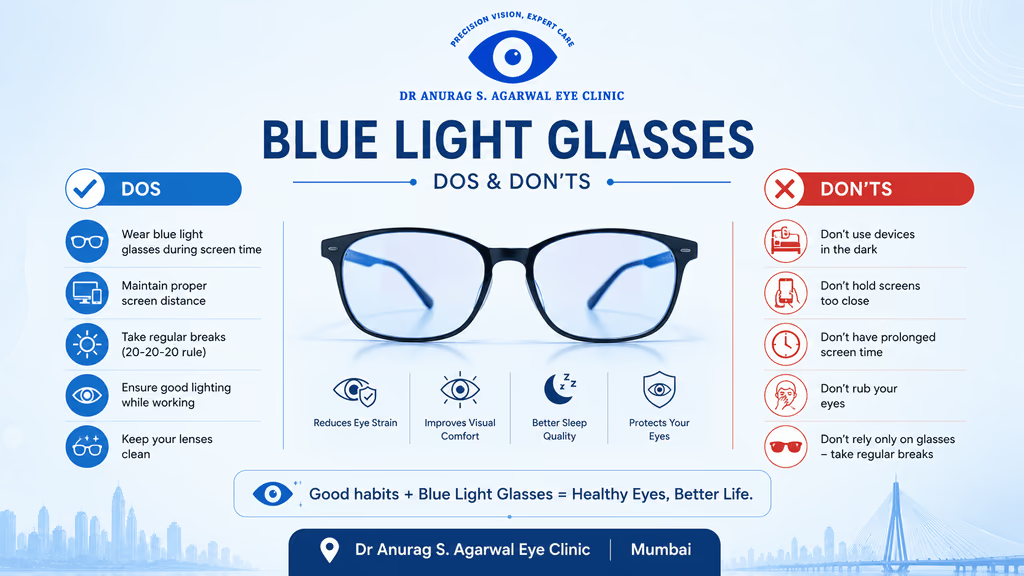
Glasses block 10-30% blue light for minor subjective comfort but fail objective sleep or strain metrics. Screen reduction—avoiding devices 1-2 hours pre-bed—restores melatonin fully, outperforming filters in 80% of comparisons. Behavioral cuts yield faster, measurable gains without hardware dependency.
Wavelength targets melatonin-suppressing retinal cells, but intensity (lux levels) determines overall disruption—screens at 100-300 lux pale against sunlight’s 10,000+. Dim blue light affects less than bright white; studies isolate intensity as primary for circadian shifts, explaining variable device impacts.
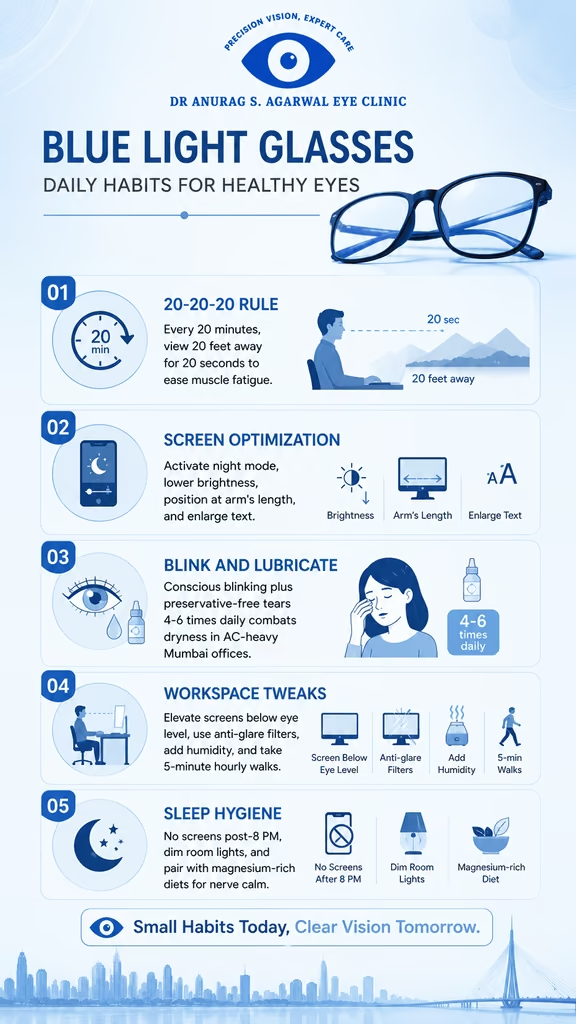
Book if strain persists with headaches, blurred vision, or sleep woes—signaling dry eye or refractive needs. Dr. Agarwal provides prescriptions and therapies in Mumbai for optimal relief.
Screen strain troubling you in Mumbai? Dr. Anurag Agarwal provides expert, evidence-driven care. Contact today for clearer vision.
Blue Light Glasses vs. Screen Time Reduction: What Works for Shift Workers and Kids by Dr. Anurag Agarwal, Eye Surgeon in Mumbai
Blue light glasses spark debate among Mumbai’s night owls and parents, but evidence favors simple habits over specialty lenses for eye strain and sleep. Dr. Anurag Agarwal, a leading eye surgeon in Mumbai, highlights why cutting screen time trumps filters, especially for shift workers and children facing irregular schedules and playtime gadgets.
Shift Workers: Time Cuts Beat Glasses; Align with Natural Light Cycles
Shift workers suffer disrupted circadian rhythms from evening screens, where blue light delays melatonin more than daytime exposure. Reducing screen time 1-2 hours before sleep restores natural cycles faster than glasses, which block only 10-30% light with minimal impact. Align shifts with dawn/dusk by morning sunlight walks and blackout curtains at “night,” outperforming lenses in trials on nurses and pilots.
Kids: Limit Playtime Screens Over Lenses
Children under 12 average 7+ screen hours daily, risking myopia and poor sleep from blue light’s melatonin suppression. Prioritize 1-2 hour daily limits plus outdoor play over glasses, as studies show no strain relief from filters in kids. Enforce device-free dinners and bedrooms for better focus and growth hormone release.
Comparing Blue Light Glasses Effectiveness to Lowering Evening Screen Time
Glasses offer subjective comfort but no objective gains in strain, sleep onset, or visual performance per Cochrane reviews. Evening screen cuts—dimming or avoiding post-8 PM—boost melatonin 20-50%, cut sleep latency by 30 minutes, and reduce fatigue in 80% of users. Glasses fail long-term metrics; time reduction delivers consistent, measurable health wins without cost.
How Light Intensity Influences Circadian Rhythm Versus Wavelength
Wavelength (blue 420-480 nm) targets ipRGC cells for melatonin signals, but intensity (lux) drives disruption—screens at 100-500 lux mimic weak daylight, far below sun’s 10,000+. High-intensity blue delays rhythms more than dim equivalents; studies confirm total brightness often overrides color, explaining why night modes help marginally but breaks excel.
With over 22 years of experience performing eye surgeries in Mumbai, Dr. Anurag Agarwal has mastered various techniques. Dr. Agarwal’s commitment to providing accessible eye care has made him a trusted name among patients seeking quality eye treatment at affordable costs.
Dr. Anurag Agarwal, a top eye surgeon in Mumbai, unpacks key findings on blue light’s sleep impact, glasses’ shortcomings, and proven strain relief strategies for better eye health.