
© Dr Anurag S. Agarwal Eye Clinic. Privacy Policy
Powered by PRAZONE Web Solutions
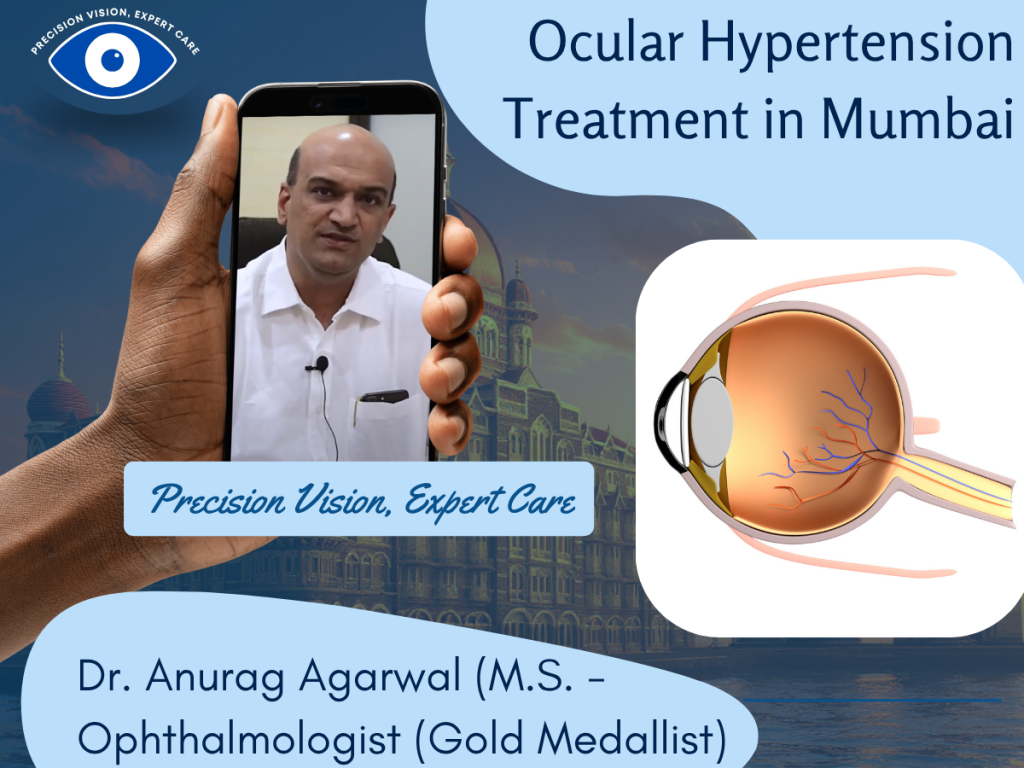
Ocular hypertension occurs when intraocular pressure rises above normal levels, typically over 21 mmHg, without optic nerve damage, posing a silent risk for glaucoma. Early detection and management are crucial for Mumbai residents with high-stress lifestyles and genetic predispositions. Dr. Anurag Agarwal, a leading eye surgeon in Mumbai, specializes in comprehensive pressure-lowering strategies to safeguard vision.
Elevated eye pressure stems from an imbalance in aqueous humor production and drainage, where fluid builds up in the eye’s anterior chamber. Common triggers include poor trabecular meshwork function, long-term steroid use, diabetes, high blood pressure, myopia, eye trauma, and age over 40. Risk factors heighten for those with family history, African or Hispanic descent, or thin corneas, making routine checks vital in polluted urban environments.
Most cases remain asymptomatic, earning the “silent thief of sight” label, with no pain, blurred vision, or halos until glaucoma develops. Subtle signs like eye movement discomfort or pressure sensation may emerge in advanced stages. Regular tonometry during exams detects elevations early, preventing irreversible optic nerve harm.
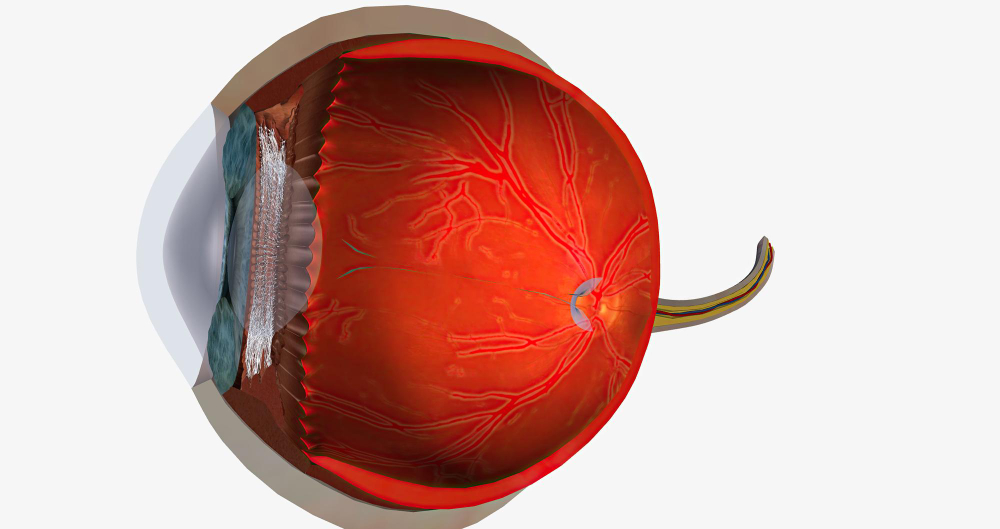
Annual exams with pachymetry, gonioscopy, and OCT imaging track progression; pressures above 28 mmHg often warrant immediate treatment. Long-term studies show 50% of untreated cases convert to glaucoma within 5-10 years, underscoring proactive drops.
Seek urgent care for sudden pressure surges, vision changes, halos, or pain—red flags for acute angle-closure. Dr. Anurag Agarwal provides personalized plans, advanced diagnostics, and same-day interventions in his Mumbai clinic.
Diagnosis starts with tonometry using Goldmann applanation for accurate IOP measurement, followed by gonioscopy to inspect drainage angles, pachymetry for corneal thickness, and dilated optic nerve exams via OCT imaging. Visual field testing detects subtle losses early. Routine monitoring involves 3-6 month check-ups initially, including repeat IOP, nerve imaging, and fields, adjusting frequency by risk level—every 6-12 months for stable cases.
Selective laser trabeculoplasty (SLT) suits patients intolerant to drops, early-stage cases, or poor adherence, lowering IOP 20-30% for 1-5 years. Recommended when medications fail, side effects burden, or pressure exceeds 24 mmHg despite compliance. Repeatable and office-based, it’s ideal pre-surgery.
High-risk (IOP >30 mmHg, thin corneas): Every 3-4 months. Moderate: 6 months. Low-risk stable: Annually. Dr. Anurag Agarwal customizes based on OCT trends and fields.
Sudden IOP spikes, vision changes, or halos demand urgent care. His clinic offers advanced diagnostics and treatment plans.
Facing high eye pressure in Mumbai? Dr. Anurag Agarwal delivers expert diagnostics and treatment plans for lasting protection. Schedule your consultation today.