
© Dr Anurag S. Agarwal Eye Clinic. Privacy Policy
Powered by PRAZONE Web Solutions
As a team of experienced ophthalmologists led by Dr. Anurag Agarwal, practicing in Mumbai for over 22 years, we have observed a strong connection between diabetes and cataract development. Many diabetic patients are surprised to learn that their blood sugar condition significantly increases their risk of developing cataracts at an earlier age. In this comprehensive guide, we will explore the relationship between diabetes and cataracts, explain why diabetics are more vulnerable to vision problems, and discuss prevention strategies and treatment options. Our goal is to help diabetic patients understand the importance of eye care and take proactive steps to protect their vision, complete diabetic cataract treatment in Mumbai explained in this blog
Diabetes is a metabolic condition where the body cannot properly regulate blood sugar levels. While most people associate diabetes with complications like kidney disease, nerve damage, and heart problems, many are unaware that diabetes significantly affects eye health. Cataracts, which cause clouding of the eye’s natural lens, develop more frequently and at younger ages in people with diabetes compared to non-diabetic individuals.
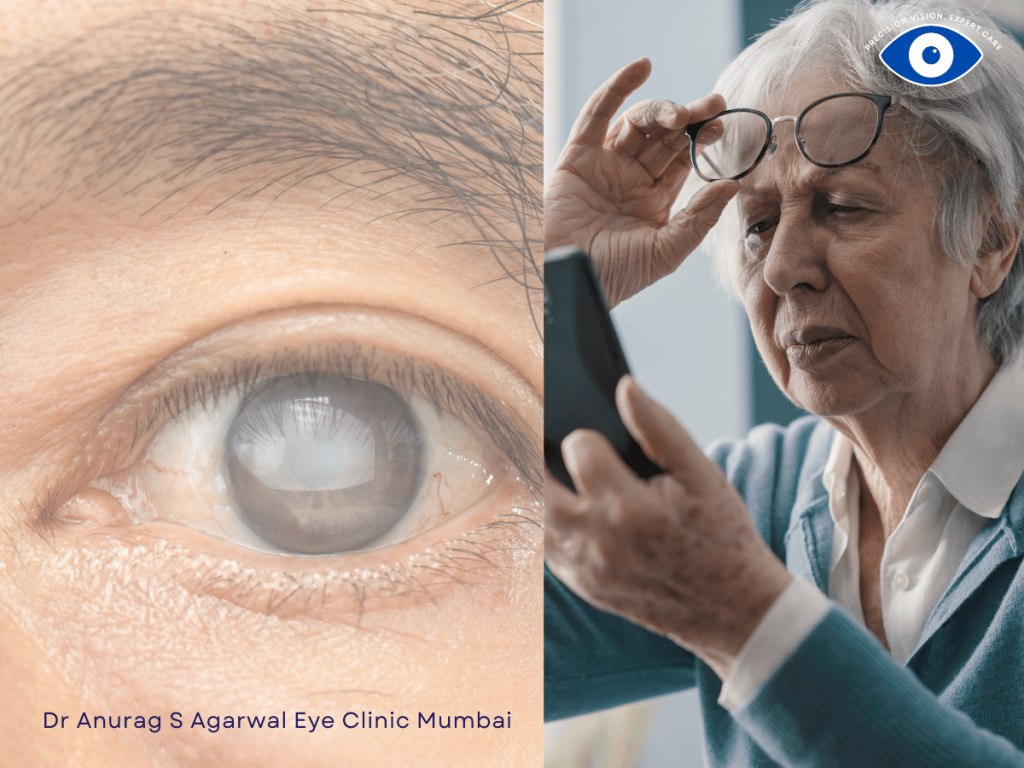
The relationship between diabetes and cataracts involves several biological mechanisms:
High Blood Sugar Effects: When blood sugar levels remain elevated, excess glucose enters the lens of the eye. The lens contains an enzyme that converts this excess glucose into sorbitol, a sugar alcohol. Sorbitol accumulates in the lens because it cannot easily leave the lens cells. This accumulation causes several problems:
Oxidative Stress: High blood sugar levels increase the production of harmful molecules called free radicals. These molecules damage the proteins and cells in the lens, accelerating cataract formation. Diabetic patients have reduced antioxidant defences in their eyes, making them more vulnerable to this oxidative damage.
Advanced Glycation End Products (AGEs): Prolonged high blood sugar causes glucose molecules to bind abnormally to proteins in the lens, forming AGEs. These abnormal protein structures accumulate over time, causing the lens to become yellow, brown, and cloudy.
Metabolic Changes: Diabetes affects the metabolism of the lens, reducing its ability to maintain clarity and proper function. The lens cannot receive adequate nutrients and cannot efficiently remove waste products, leading to deterioration and cataract formation.

Diabetic Snowflake Cataract: This rare but distinctive type occurs primarily in young diabetics with poorly controlled blood sugar. It appears as white, snowflake-like opacities in the lens and can develop rapidly, sometimes within days or weeks. This type is most common in type 1 diabetes patients with severely uncontrolled blood sugar.
Senile Cataract (Age-Related): This is the most common type affecting diabetic patients. While age-related cataracts affect everyone as they get older, diabetics develop them 10-20 years earlier than non-diabetics. These cataracts progress more rapidly in diabetic patients.
Posterior Subcapsular Cataract: This type forms at the back of the lens and is particularly common in diabetics. It causes significant glare, difficulty reading, and problems with vision in bright light. This type can develop relatively quickly and causes symptoms earlier than other cataract types.
Research shows alarming statistics about diabetes and cataracts:
Poor Blood Sugar Control: Consistently high HbA1c levels (above 7%) significantly accelerate cataract formation. The better controlled your diabetes, the lower your cataract risk.
Duration of Diabetes: The longer you have had diabetes, the greater your cumulative exposure to high blood sugar and the higher your risk of developing cataracts.
Age: While age affects everyone’s cataract risk, the combination of aging and diabetes is particularly problematic.
Smoking: Smoking combined with diabetes creates a synergistic effect, dramatically increasing cataract risk.
High Blood Pressure: Many diabetics also have hypertension, which further increases cataract risk.
Obesity: Excess weight, particularly common in type 2 diabetes, is associated with increased cataract formation.
Lack of Regular Eye Examinations: Without regular monitoring, cataracts can progress undetected until they significantly impair vision.
Diabetic patients should watch for these warning signs:
Diabetic patients may notice:
Early detection is crucial for diabetic patients. We recommend
Comprehensive Eye Examination Schedule
Visual Acuity Testing: Measuring how clearly you can see at various distances helps track vision changes over time.
Dilated Eye Examination: Special drops widen your pupils, allowing us to examine the lens, retina, and optic nerve thoroughly.
Slit Lamp Examination: This microscope provides a magnified view of the lens, helping us detect even early cataract changes.
Retinal Examination: Diabetics need careful retinal screening for diabetic retinopathy, which often coexists with cataracts.
Intraocular Pressure Measurement: Diabetics have increased glaucoma risk, so pressure monitoring is essential.
Optical Coherence Tomography (OCT): This advanced imaging helps detect diabetic macular edema and other retinal changes.
While cataracts cannot be completely prevented in diabetics, these strategies can significantly reduce risk and slow progression:
Maintain Optimal Blood Sugar Control: This is the single most important factor. Keep your HbA1c levels as close to target as possible (typically below 7%). Check blood sugar regularly and work closely with your endocrinologist or diabetes specialist.
Follow Your Diabetes Treatment Plan: Take medications as prescribed, follow your insulin regimen, and never skip doses without consulting your doctor.
Adopt a Healthy Diet:
Exercise Regularly: Physical activity helps control blood sugar, maintain healthy weight, and improve overall health. Aim for at least 150 minutes of moderate exercise weekly.
Quit Smoking: Smoking dramatically increases cataract risk in diabetics. Quitting provides immediate and long-term benefits for eye health.
Control Blood Pressure and Cholesterol: Many diabetics have these additional risk factors. Managing them comprehensively protects eye health.
Protect Eyes from UV Radiation: Wear sunglasses with 100% UV protection when outdoors. UV exposure accelerates cataract formation.
Manage Stress: Chronic stress affects blood sugar control. Practice relaxation techniques, adequate sleep, and stress management.
Stay Hydrated: Proper hydration supports overall eye health and helps maintain stable blood sugar levels.
Regular Eye Examinations: Early detection allows for timely intervention and better outcomes.
Early Stage Management: When cataracts are mild and not significantly affecting vision or quality of life:
Surgical Treatment: When cataracts significantly impair vision and affect daily activities, surgery becomes necessary. Cataract surgery is the only definitive treatment for cataracts.
Pre-operative Preparation: Diabetic patients require special preparation before cataract surgery:
Surgical Techniques for Diabetics: Dr. Anurag Agarwal and our team use advanced techniques tailored to diabetic patients:
Post-operative Considerations: Diabetic patients may experience:
Success Rates and Outcomes: Despite these challenges, cataract surgery remains highly successful in diabetic patients. Most achieve significant vision improvement and enhanced quality of life. The key is proper patient selection, careful surgical technique, and meticulous post-operative care.
Monofocal Lenses: Standard monofocal lenses are often recommended for diabetic patients, especially those with diabetic retinopathy. These provide excellent distance vision with predictable outcomes.
Toric Lenses: For diabetics with astigmatism, toric lenses can correct both cataracts and astigmatism simultaneously.
Premium Multifocal Lenses: These may not be ideal for diabetics with significant retinopathy, as retinal disease can limit the benefits of premium lenses. We carefully evaluate each patient’s retinal health before recommending premium options.
Many diabetic patients have both conditions simultaneously, requiring coordinated management:
Treatment Sequencing:
Long-term Monitoring: After cataract surgery, diabetic patients need continued monitoring for:
Studies clearly demonstrate that diabetic patients with better blood sugar control before and after cataract surgery experience:
Successfully managing cataracts in diabetic patients requires coordination between multiple healthcare providers:
While excellent blood sugar control significantly reduces cataract risk and slows progression, it cannot completely prevent cataracts. However, maintaining HbA1c within target range can delay cataract development by many years.
Diabetics should be vigilant about eye health from the time of diagnosis, regardless of age. Regular eye examinations help detect cataracts early, even in younger diabetic patients.
While diabetic patients have slightly higher risks of certain complications, cataract surgery remains safe and highly successful when performed by experienced surgeons like Dr. Anurag Agarwal. Proper preparation and post-operative care minimize risks.
Some patients experience temporary worsening of diabetic retinopathy after cataract surgery, but this is usually manageable with appropriate treatment. The long-term benefits of cataract removal typically outweigh this temporary risk.
We recommend optimizing blood sugar control before elective cataract surgery. Work with your diabetes doctor to improve control, then schedule surgery when your levels are stable. In emergency situations, surgery may proceed with careful glucose management.
The cataract itself cannot return because the natural lens is removed. However, the capsule holding the artificial lens can become cloudy (posterior capsule opacification), which is easily treated with a quick laser procedure.
Absolutely. Diabetic patients need lifelong eye monitoring for diabetic retinopathy, glaucoma, and other potential complications, even after successful cataract surgery.
Before cataract surgery, contact lenses may help temporarily if you can tolerate them. Diabetics have higher risk of eye infections with contacts, so careful hygiene is essential. After cataract surgery, many patients no longer need contacts for distance vision.
If you suffer from regular headaches, don’t continue living with discomfort when the solution might be as simple as an eye examination. Dr. Anurag Agarwal and our experienced team in Mumbai have helped thousands of patients find relief from chronic headaches by identifying and treating underlying eye conditions.
If you have diabetes, protecting your vision should be a top priority. Don’t wait until cataracts significantly impair your vision before seeking help. Dr. Anurag Agarwal and our experienced team in Mumbai specialize in managing cataracts in diabetic patients, understanding the unique challenges and considerations involved.
Schedule a comprehensive diabetic eye examination with us today. Whether you need preventive care, cataract monitoring, or surgical intervention, we provide personalized treatment plans that account for your diabetes and overall health. Our 22 years of experience have taught us that successful outcomes depend on careful coordination between excellent eye care and diabetes management.
Contact our Mumbai clinic now to book your appointment. Take control of both your diabetes and your eye health. Clear vision is possible even with diabetes – let us help you achieve it. Your journey to better vision and healthier eyes starts with a single consultation. Call us today or visit our clinic to begin your path toward clearer, brighter vision.
Contact Senior Eye Surgeon in Mumbai – Dr Anurag S. Agarwal. Dr Anurag Agarwal is available at 3 Hospitals in Mumbai Suburban.
Book an Appointment with Dr Anurag S. Agarwal Eye Clinic in Goregaon, Mumbai Suburban today to schedule an evaluation.